2012.05.24 · First X-ray
The attached description states that one femoral head appears dislocated from its socket in the pelvis.
MARU / ANIMAL CASE RECORDS
Real animal cases from Maru’s existing attachments.
A MAP OF THE RECORDS
Each animal’s condition, treatment process and surviving records differ. We look separately at records that describe clinical progress and records that show test results.
| Case | Available records | Source |
|---|---|---|
| Cat in a traffic accident | Two X-rays from 2012 and the hospital’s case presentation notes | Attachment 1 |
| 3 spinal nerve injury cases | Brochure photos and dates, 2015–2016 | Attachment 2 |
| Teddy | Tests and clinical care in 2023; gold thread procedure photos | Attachments 3·15 |
| Sarangi | One PetAge360 result, July 2026 | Attachment 5 |
| Pangi | Two PetAge360 results (Aug. and Sept. 2026) and the hospital’s explanation | Attachment 14 |
| Videos | List of videos featuring the director, treatment introductions and the hospital | Attachment 18 |
Dates, values and descriptions for each case are summarized from the relevant attachments. We also indicate which records support each case.
CASE / CAT · 2012
Attachment 1 presents the case of a cat that injured its pelvis and hip joints in a traffic accident in the early hours of May 14, 2012. It includes X-rays dated May 24 and August 4, 2012, from the hospital’s presentation materials.
The attached description states that one femoral head appears dislocated from its socket in the pelvis.
The attached description states that both femoral heads appear positioned toward the joint sockets.
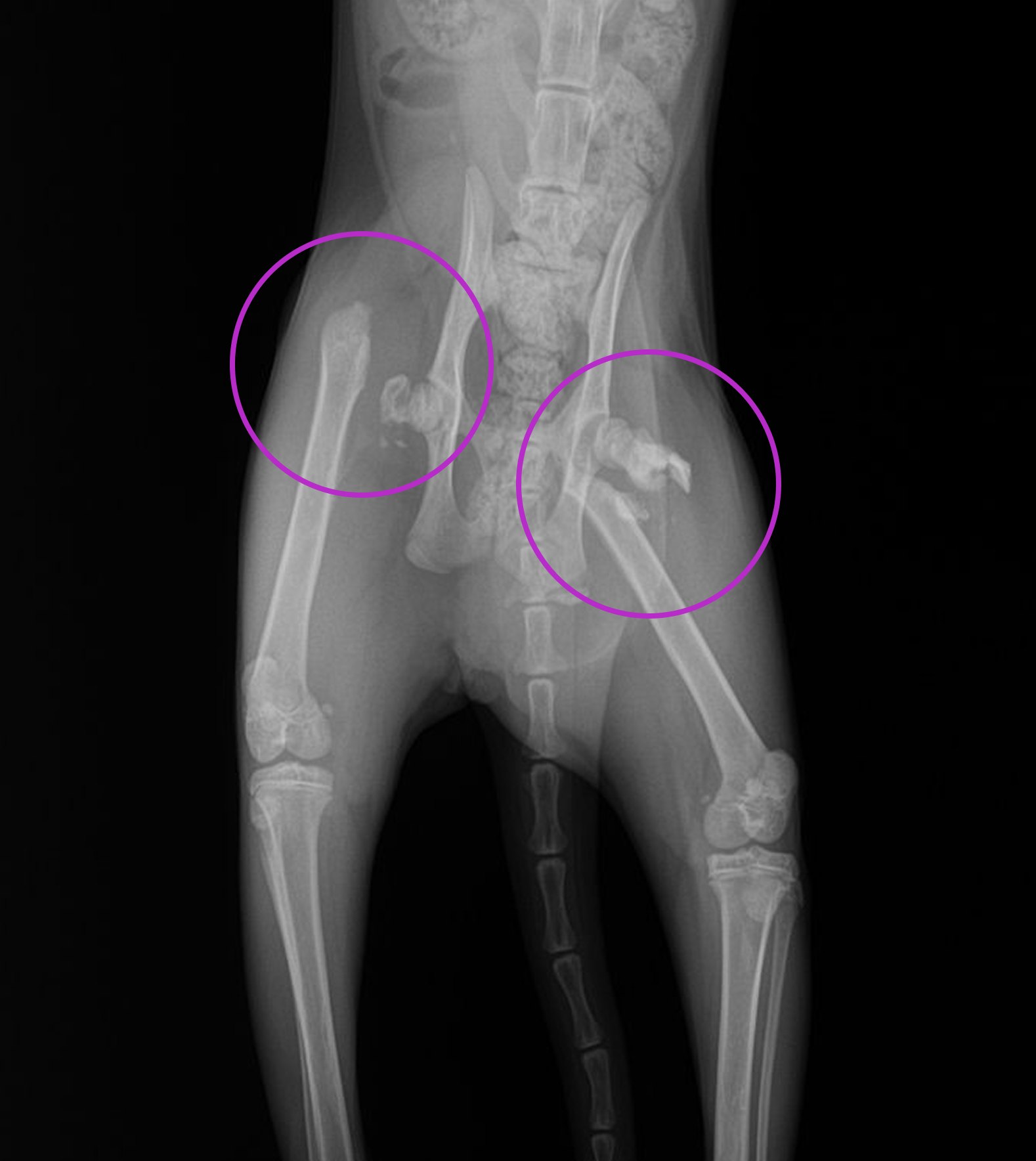
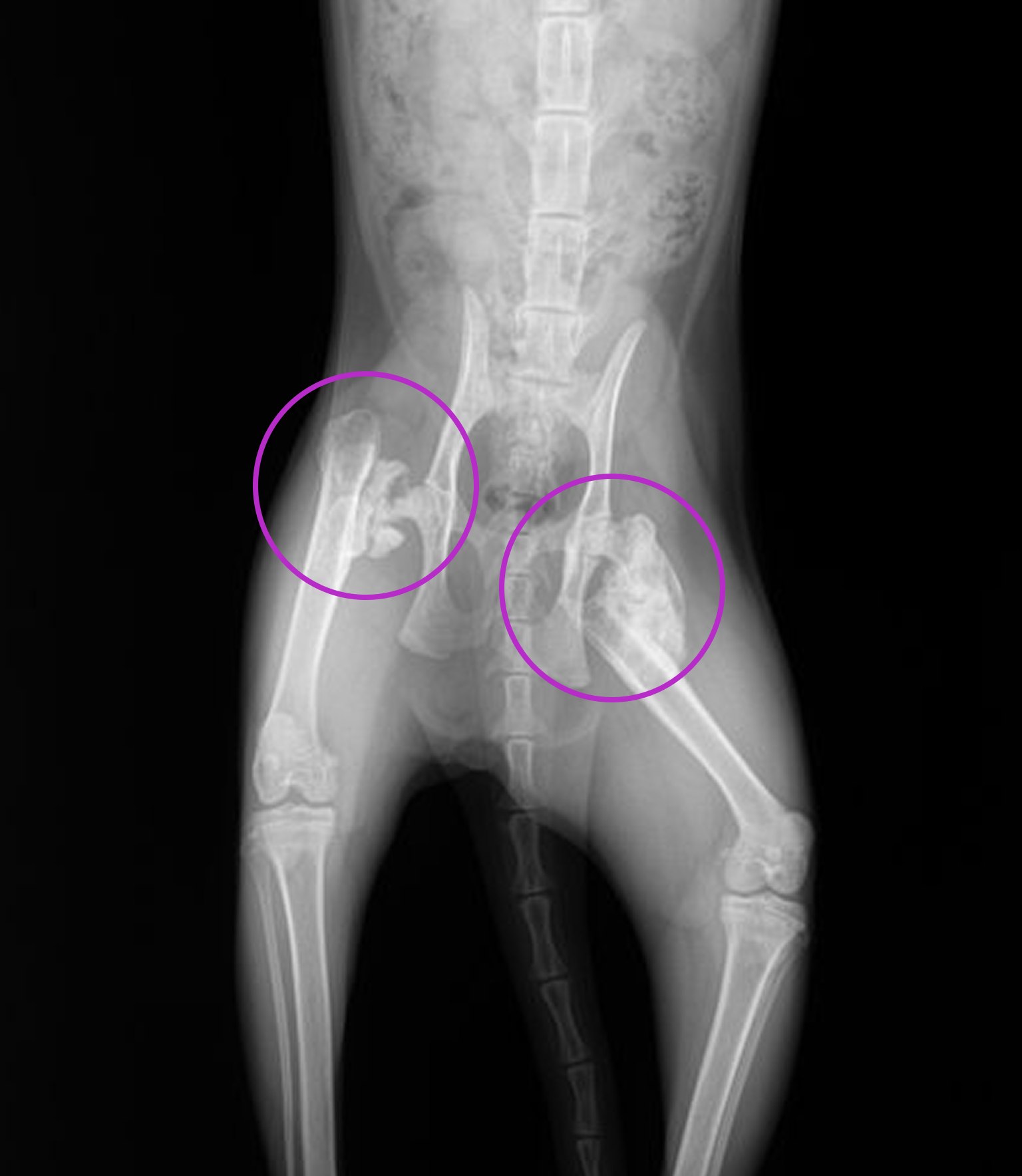
The materials contain the hospital’s explanation that changes appeared in the joint area after Maru’s special prescription. They also include a later update from the owner that the cat was running well, using the litter box properly, and showing no inflammation or after-effects.
These are two X-rays and the explanation from the presentation materials. The photos alone are not used to judge the mechanism of new joint formation or the sole effect of any specific prescription. The hospital’s explanation and the owner’s update are kept separate.
Source: Attachment 1, “Cat Traffic Accident Recovery Case” · Maru case presentation PPT, pp. 2–4.
CASE / SPINAL NERVE · 2015–2016
Attachment 2 contains three “Nerve recovery cases after treatment” from the Maru Animal Hospital brochure. The titles and dates below are as stated in the attachment.
The brochure states “Day 11”. The original record also notes “See café video”.
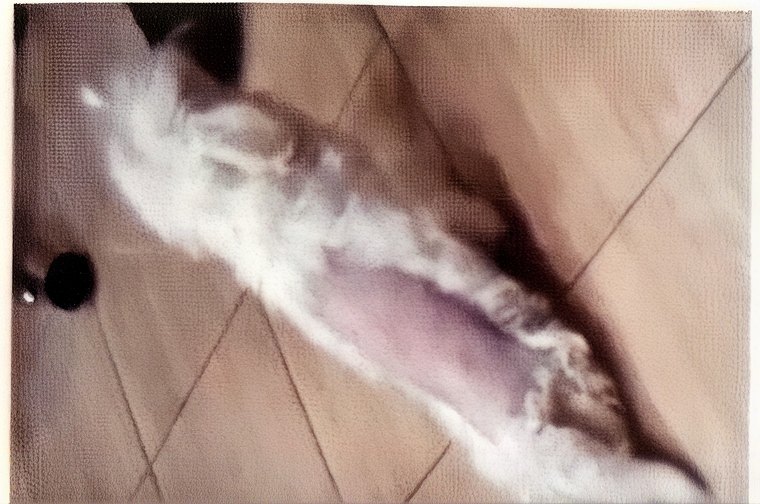

The brochure states “Day 5”.
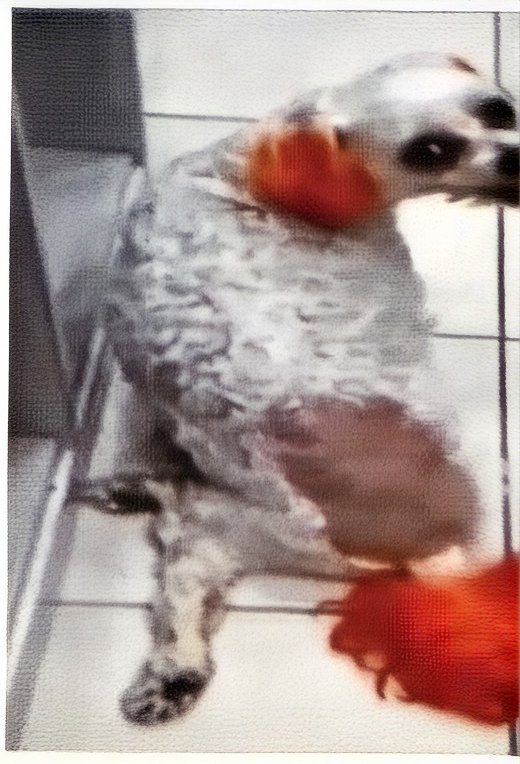
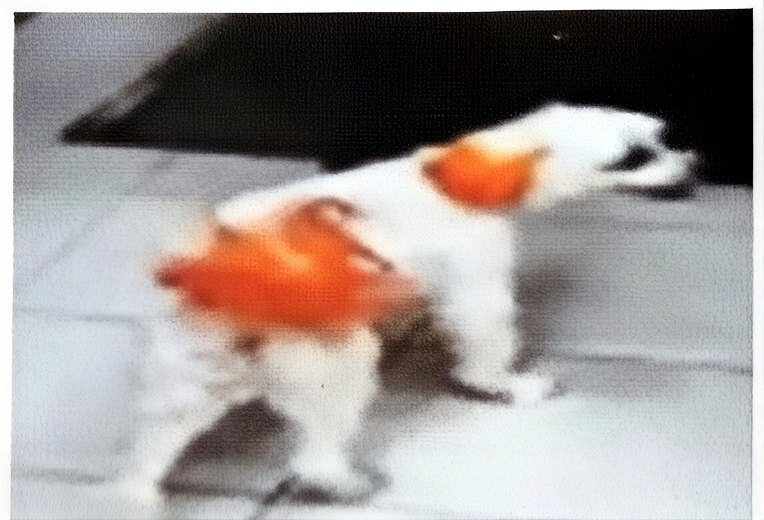
The brochure states “Day 7”.
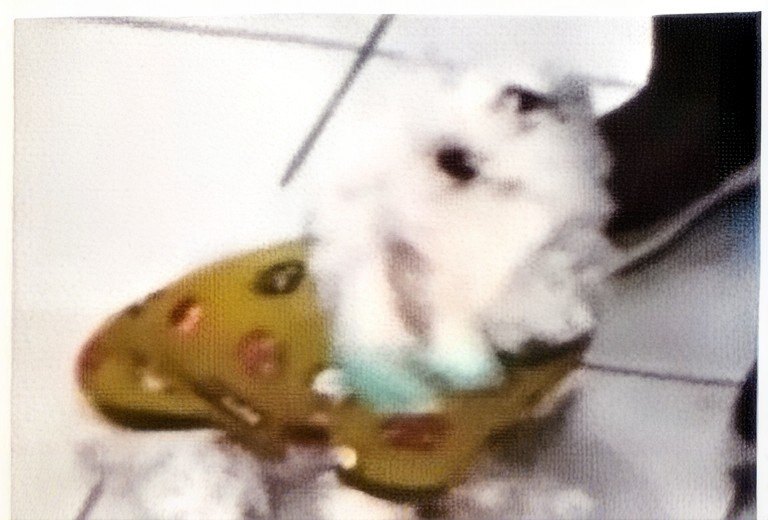
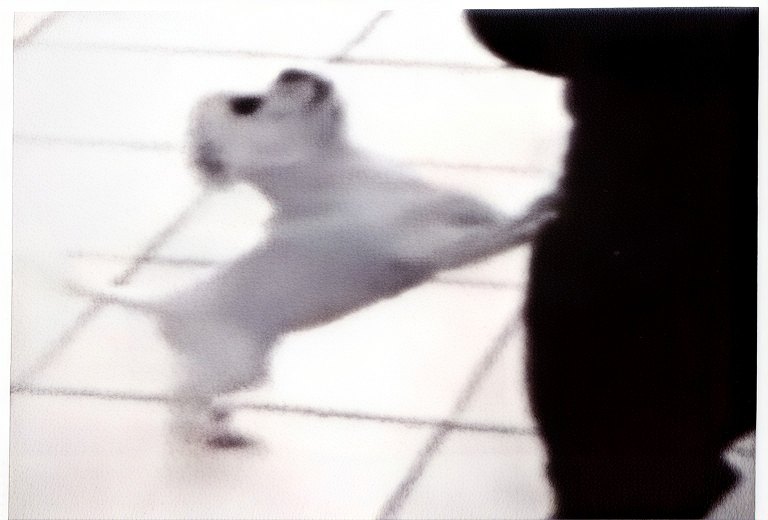
These materials are before-and-after photos and dates from the brochure. They should not be read as quantitative measurements of nerve function or as a clinical trial comparing the effect of any particular chamber.
Source: Attachment 2, “Spinal Nerve Injury Recovery Cases”.
CASE / TEDDY · 2023
Teddy is recorded as a 13-year-old neutered male Yorkshire Terrier as of 2023. Attachment 3 compiles test and clinical records from ANTECH in the U.S., NEODIN (ordered by Maru), and the Konkuk University and Seoul National University veterinary hospitals.
Clinical findings from Konkuk University list severe systemic hypertension, chronic kidney disease and gallstones. Other care, including oral medication and subcutaneous fluids, was given during the same period.
BUN mg/dL
Creatinine mg/dL
| Test date | Facility | BUN | Creatinine |
|---|---|---|---|
| 2023.07.18 | ANTECH (U.S.) | 62 | 1.9 |
| 2023.08.03 | ANTECH (U.S.) | 107 | 2.4 |
| 2023.08.30 | NEODIN · ordered by Maru | 77.2 | 2.0 |
| 2023.09.01 | Konkuk Univ. Veterinary Hospital | 65 | 2.3 |
| 2023.09.07 | Konkuk Univ. Veterinary Hospital | 35 | 1.7 |
| 2023.10.05 | Seoul National Univ. Veterinary Hospital | 51.7 | 1.99 |
Unit: mg/dL. Reference ranges and test conditions differ between facilities. Values from different facilities should not be read as consecutive measurements under the same conditions.
The Seoul National University SOAP record of October 5, 2023 notes that Teddy had vomiting, loss of appetite and lethargy after returning to Korea, but that at the time his bowel movements and urination were good and he was going on walks well. The same record also covers oral medication, subcutaneous fluid management, and kidney and liver values.
Imaging findings from the same period also record the need to differentiate a liver mass and the possibility of chronic kidney disease. Changes in some values or in activity alone are not taken to mean that all conditions have resolved.
Source: Attachment 3, “Teddy – Kidney Disease Test and Clinical Records” ②–⑪. This table focuses on test records whose dates and values match in the source text.
TEDDY / PROCEDURE RECORD
Attachment 15 contains photos of Teddy’s gold thread (gold thread embedding) insertion and an abdominal X-ray. According to Maru’s explanation, gold thread was inserted in the liver and kidney areas, and life-energy care was carried out alongside it.
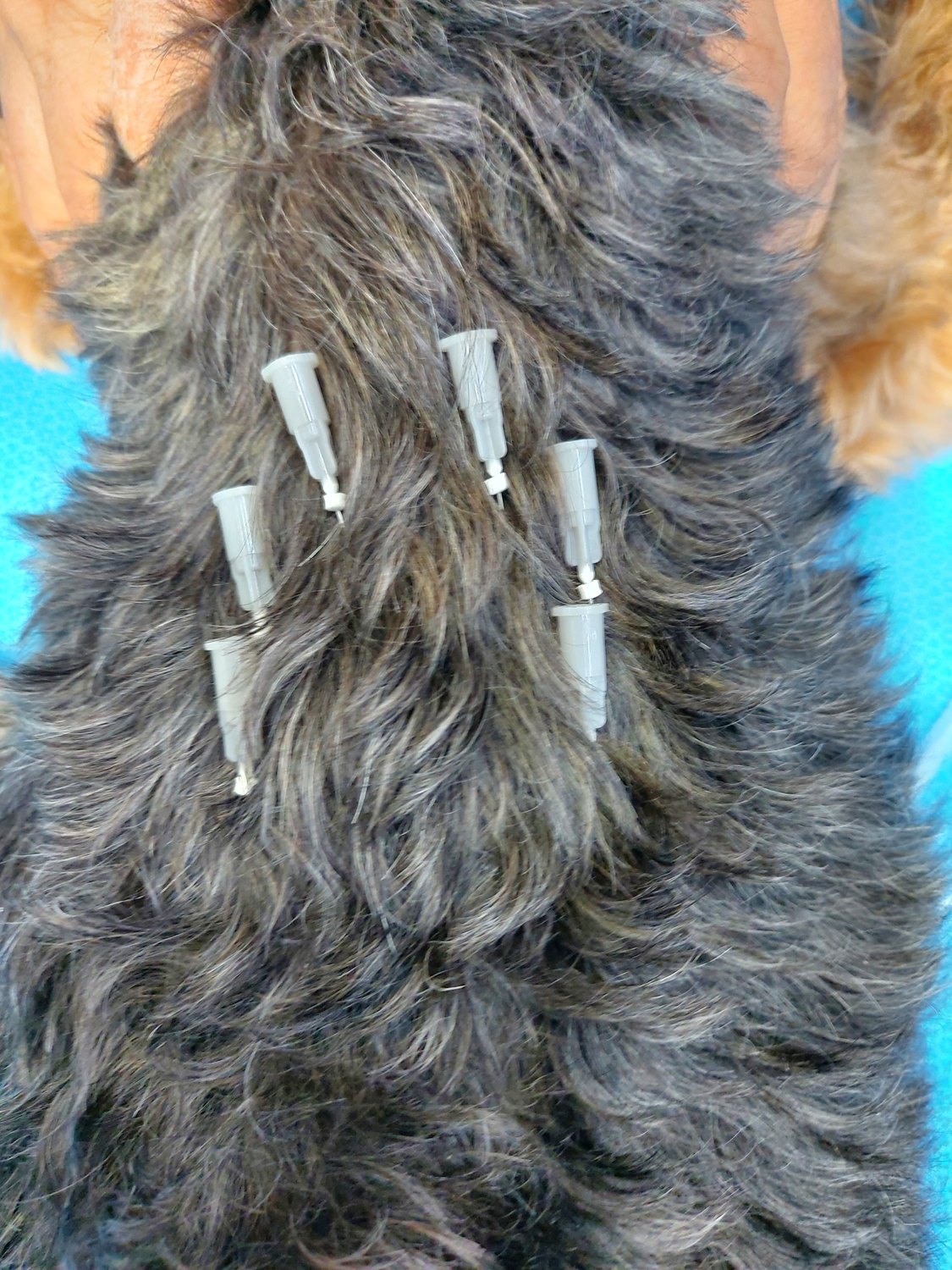
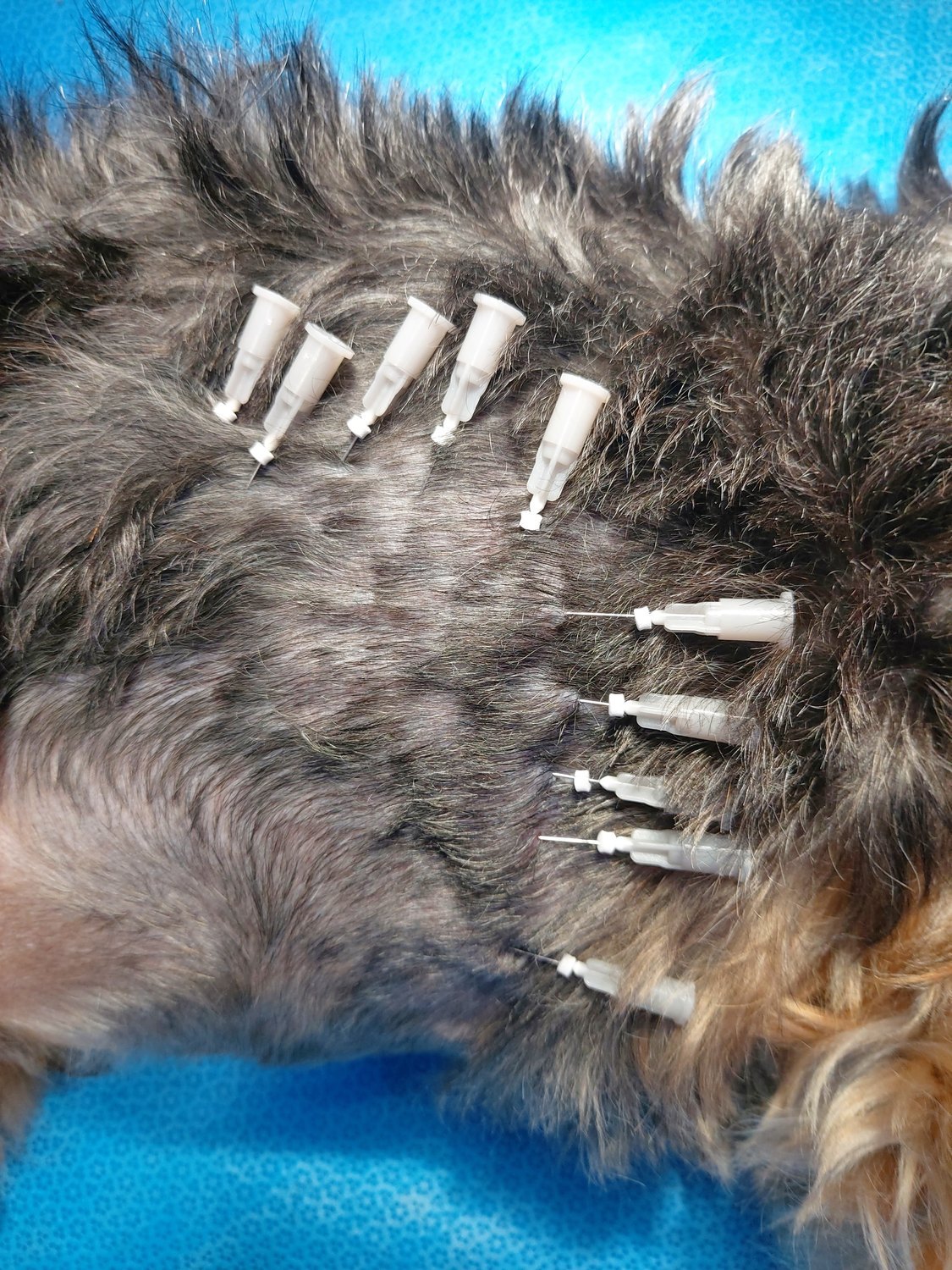
The attachment includes needle insertion photos of the back and flank. The photos themselves show no date. An X-ray marked October 2023 is included without a separate radiology reading.
Oral medication and subcutaneous fluids prescribed by the university veterinary hospitals were also given during the same period. These materials show the procedure and its explanation; they do not compare or isolate the sole effect of gold thread or energy care.
Source: Attachment 15, “Teddy – Gold Thread Procedure Photos and X-ray” · related tests and concurrent prescriptions in Attachment 3.
TELOMERE / TEST RECORDS
The subject of the report is Sarangi, a 12-year-old female dog. The requesting facility is listed as Maru Animal Hospital.
Overall health score
65/ 100
Attention (as stated in the report)Age actual vs. biological age in the report
Aging rate calculated in the report
1.13×
Telomere length 2.80 kb · Very short
Overall health scoreActual ageBiological age{v} yrsAverage 1.0| Overall health score | 65 points · Attention |
|---|---|
| Telomere length | 2.80 kb · Very short |
| Biological age calculated in the report | 13.5 years |
| Aging rate calculated in the report | 1.13 |
These are the results and interpretations printed in the report. They come from a single measurement and are not a before-and-after treatment comparison. The indicators calculated in the report should not be read as the animal’s lifespan or as a confirmed diagnosis.
The subject of the reports is Pangi, an 11-year-old male dog. The materials compare two results, from August 18 and September 22, 2026.
| 1st · 2026.08.18 | 2nd · 2026.09.22 | Difference in recorded values |
|---|---|---|
| 2.80 kb | 3.08 kb | +0.28 kb · approx. 10% |
Values and units follow Attachment 14. Both reports record the grade as “Very short”.
According to Maru’s explanation, the care period was August 7–19, 2026. Because the first test was taken during the care period, the two results are not simply called ‘before and after treatment’.
The existing attachment presents changes in Pangi’s cataracts and vision as the hospital’s explanation and includes eye photos from August 7 and 19.
Information newly provided in October 2026 states that one eye returned to normal after three sessions of quantum-related treatment, and that the other eye is still under treatment. This is presented separately, as a progress account provided by the owner and the hospital.
Because no ophthalmic examination records are included in the materials provided, we do not present this explanation or the eye photos as objective proof of restored vision or of the sole effect of any specific treatment. We do not assume or confirm the treatment name or specific conditions mentioned in the new explanation.
Sarangi and Pangi differ in age and in the timing and conditions of their tests, so their values are not compared with each other even though both are in kb. The difference in Pangi’s values alone does not establish the effect of any specific treatment or an extended lifespan.
Source: Attachment 5, “Sarangi PetAge360 Analysis Report” · Attachment 14, “Pangi – Comparison of Two Telomere Tests”.
RELATED VIDEO MATERIAL
The video list from Attachment 18. Titles and descriptions are based on the attachment. Posting dates may differ from filming or broadcast dates.
Videos open at their original source in a new window. Explanations in video introductions or interviews are read separately from test and clinical records.
HOW TO READ A CASE
A photo shows how things looked at that moment. Judging the effect of a specific treatment requires looking at functional measurements, clinical records, concurrent treatments and comparison conditions together.
Values can be affected by analysis conditions and variability, the animal’s condition and concurrent care. Two before-and-after values alone do not establish the sole effect of any equipment.
No. They are the intervals between recorded dates. Because each animal’s disease, condition and treatment process differ, the same timeframe or result cannot be promised.
No. Clinical records, test results, photos, hospital explanations, owner updates and promotional videos each show different things. This page indicates the type of record and its source for each case.
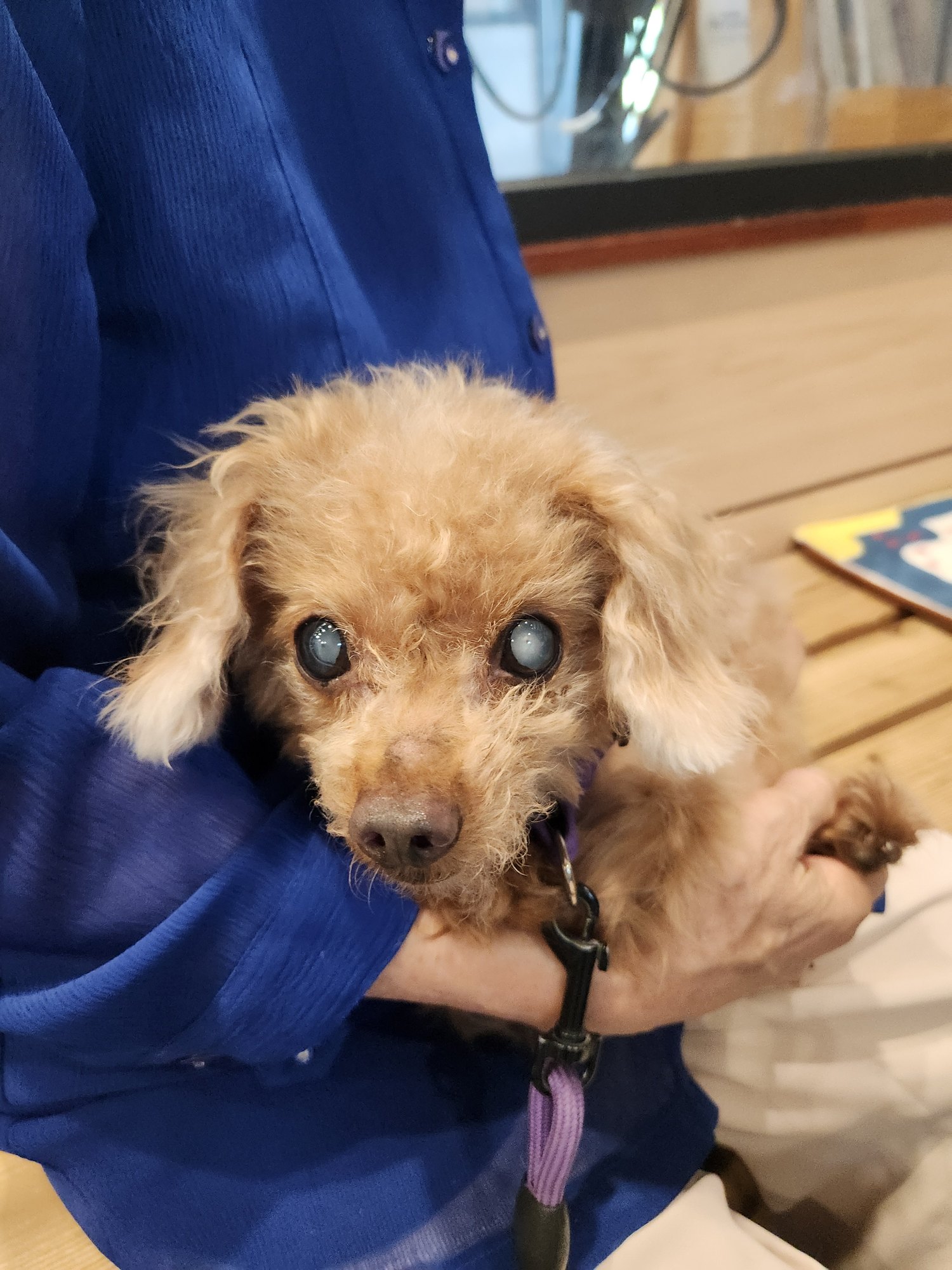 2026.08.07First day of the care period
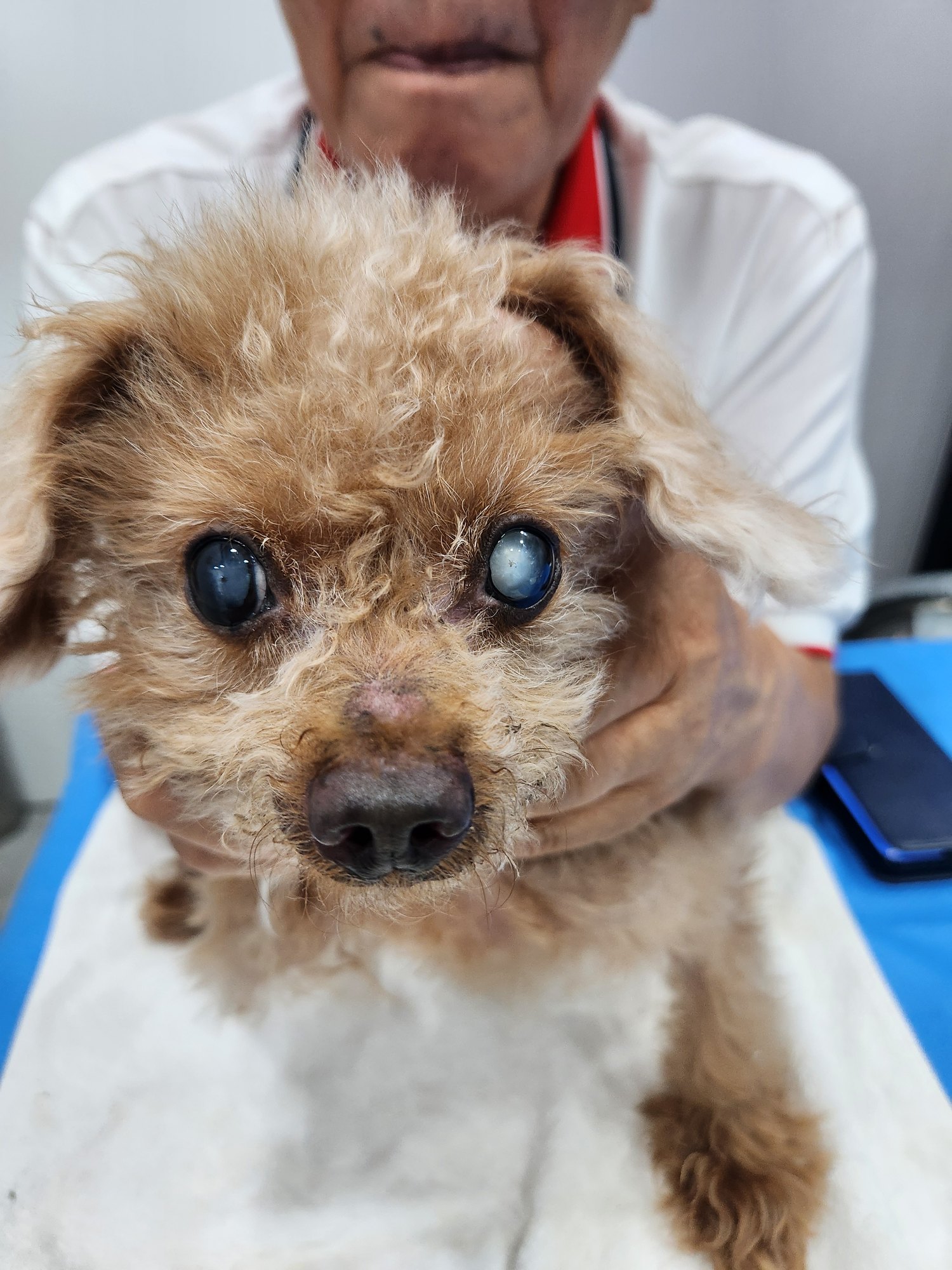 2026.08.19Last day of the care period